
4 Benefits of Retinal Imaging
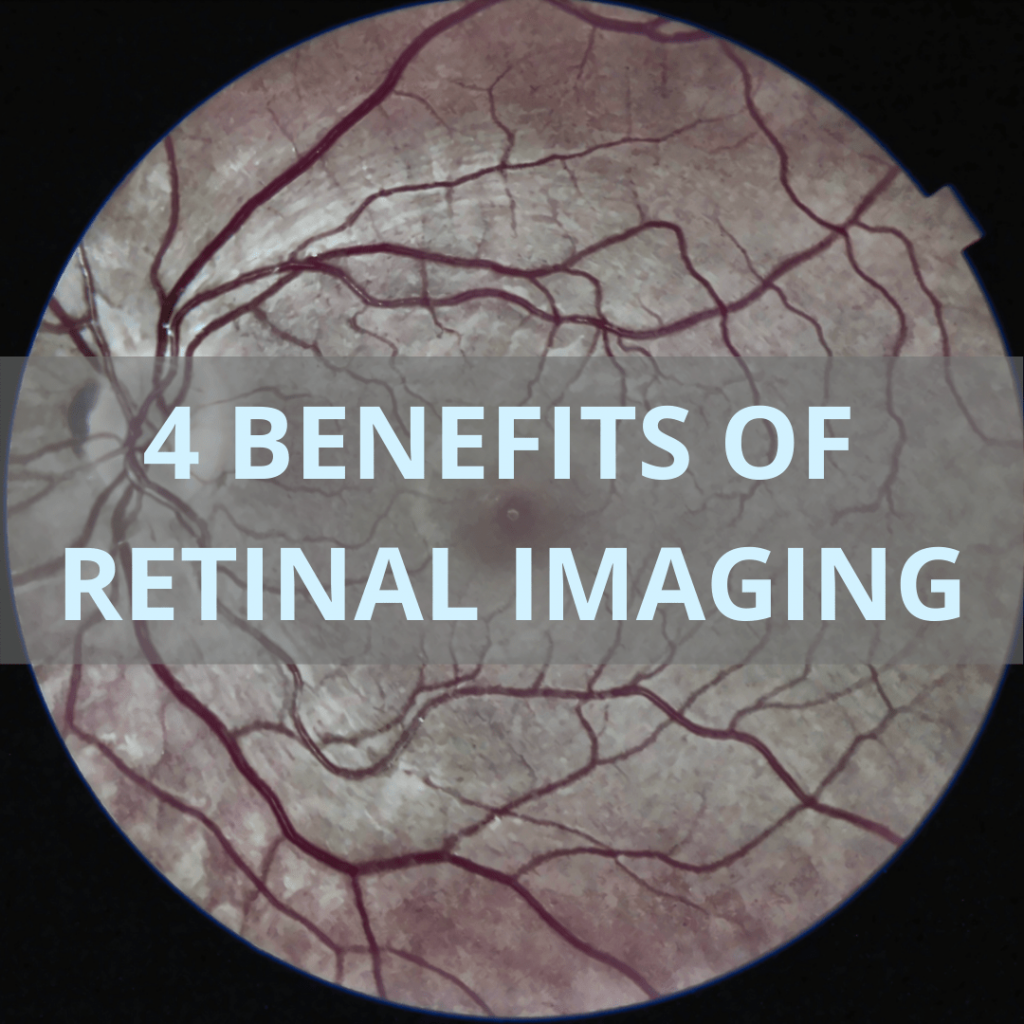
We take time to change the oil in our car every couple of months, we get our teeth cleaned twice a year, and some of us are even health-conscious enough to schedule a regular physical with their doctor. But what about our eyes? Other than going in for a new prescription or to get more contacts, many of us overlook the simple, preventative actions we can do to take care of our eyes. And, an annual eye exam is especially critical for people with diabetes who should make it a point to mark their calendars for their yearly eye check-up.
Healthcare providers have the ability to provide resources that make eyecare more readily accessible and easy to integrate into a patient’s annual health routine. In fact, diabetic teleretinal imaging that seamlessly integrates into any EMR software is creating widespread change in eye health. With benefits for patients, technicians, and practices alike, retinal imaging helps efficiently diagnose eye conditions and disorders common among people with diabetes. Teleretinal imaging capabilities increase access to adequate eye care, in turn helping identify and prevent eye disease. Not to mention, this kind of solution helps improve quality and lower costs, making eye care easier than ever.
So, what is retinal imaging?
Retinal imaging is the practice of taking pictures of the inside of a patient’s eye, specifically targeting the back region, also known as the retina. A variety of solutions are available to ensure ease in taking quality images of the retina and receiving an accurate diagnosis for a patient.
For example, with the help of IRIS solutions, providers can confidently diagnose macular edema and Diabetic Retinopathy. Still, if other issues become suspected, IRIS Reading Center (IRC) physicians can make a note to help guide a patient towards seeking an appropriate specialist. IRIS offers a unique solution that includes high-resolution digital imaging and IRIS’s proprietary image enhancement technology that helps optimize the quality of that image. And with IRIS’ historic readability rates around 95%, the chance of success is very high. From there, a licensed eye care provider or an IRC physician can then evaluate the health of retinas.
Traditionally, these eye exams have been performed by an ophthalmologist using specialized equipment. Teleretinal imaging offers an alternative method for conducting diabetic retinal exams, opening the door to abundant opportunities for doctors and patients to ensure diabetic eye care is both easy and accessible.
Here are four benefits that demonstrate the wide-reaching effects of retinal imaging, how patients can take advantage of each, and how healthcare providers can improve access for all.
- Early Detection Capabilities
With retinal imaging, the image produced by a fundus camera and uploaded to a teleretinal platform enables eye care providers to evaluate patients for potential eye disorders and other health conditions. Diabetic retinal exams, in particular, are a critical component in identifying diabetic retinopathy—the leading cause of blindness in working-age adults in the United States.
Teleretinal imaging solutions make it possible for providers to detect and diagnose diabetic retinopathy early in the disease progression, which is crucial in ending preventable blindness. Some of the other conditions providers can detect when viewing a retinal image include glaucoma, wet AMD, or dry AMD.
- Creates an Ocular History
One of the great aspects of retinal imaging tests is that they’re quick, easy, and painless, with results being generated at a fast pace. As the diagnosis from each test is delivered, the images are securely stored. This allows primary care physicians to gather results and images to compare over time to ensure eye health is not deteriorating and/or measure treatment success.
Teleretinal imaging improves healthcare data collection for patients in a way that is easy for providers to obtain and store in a patient’s electronic health record (EHR). By integrating retinal imaging into yearly exams, patients develop a record of their eye health year over year, making it possible for providers to monitor overall eye health over time seamlessly.
- Simplicity for Patients
Teleretinal imaging comes at no extra effort for patients. Most imaging is completed in less than 15 minutes from start to finish, and diagnostic reports are often delivered within a single business day. Rather than having patients set aside an entire day or afternoon to get their eyes examined, this regular check-up can be done quickly during a patient’s routine annual check-up with minimal additional time constraints. Furthermore, typically no dilation is required, which is an additional benefit to the patient.
Plus, because the results are received so quickly, IRIS can deliver the images and the diagnoses directly into a healthcare provider’s EHR, allowing for easy patient referral to the appropriate specialist. Instead of waiting an unnecessarily long time for the results and create an action plan for appropriate next steps should they be needed, patients can rapidly receive their results and relevant referrals.
- Improving Access and Elevating Practices
Teleretinal imaging technology can vastly improve eye care accessibility for patients while simultaneously reducing the cost of care. Many patients overlook the need for annual diabetic retinal exams, but with the ease and technology achieved by teleretinal imaging, these images for evaluation can now be captured in various healthcare facilities, including primary care centers, hospitals, community clinics, and more.
A residual impact of these teleretinal imaging solutions is that they allow eye doctors to practice at the top of their licenses and focus on treating active diseases rather than on routine eye exams. Additionally, It also can improve eye health in underserved areas by expanding eye examination offerings into centers or clinics that would otherwise not offer eye care.
Why this matters
Retinal imaging can alert both patients and providers to health issues like Age-related Macular Degeneration, Cancer, Diabetic Retinopathy, Glaucoma, Hypertension (High Blood Pressure), Retinal Detachment, and more.
IRIS solutions can help eye care professionals diagnose Diabetic Retinopathy and macular edema, but IRC providers also have the capability to alert providers of other suspected issues or abnormalities in the images. All people with diabetes, regardless of age, race, or gender, must begin taking active steps in caring for their eyes, integrating proactive measures as a part of their annual care plan – and IRIS can help make that easy.
IRIS offers a teleretinal imaging solution that makes it simple for any organization to add the exam into their pre-existing workflow. This leads to better patient care without any subsequent stress or learning curve for companies and their employees. Have questions about implementation? Want to know more about our proprietary technology? Need to schedule a demo? Contact us today.
SM062 Rev. A
Get started with IRIS today.
Want to know if IRIS is right for you? Schedule a one-on-one consultation with our team. We’re here to help.